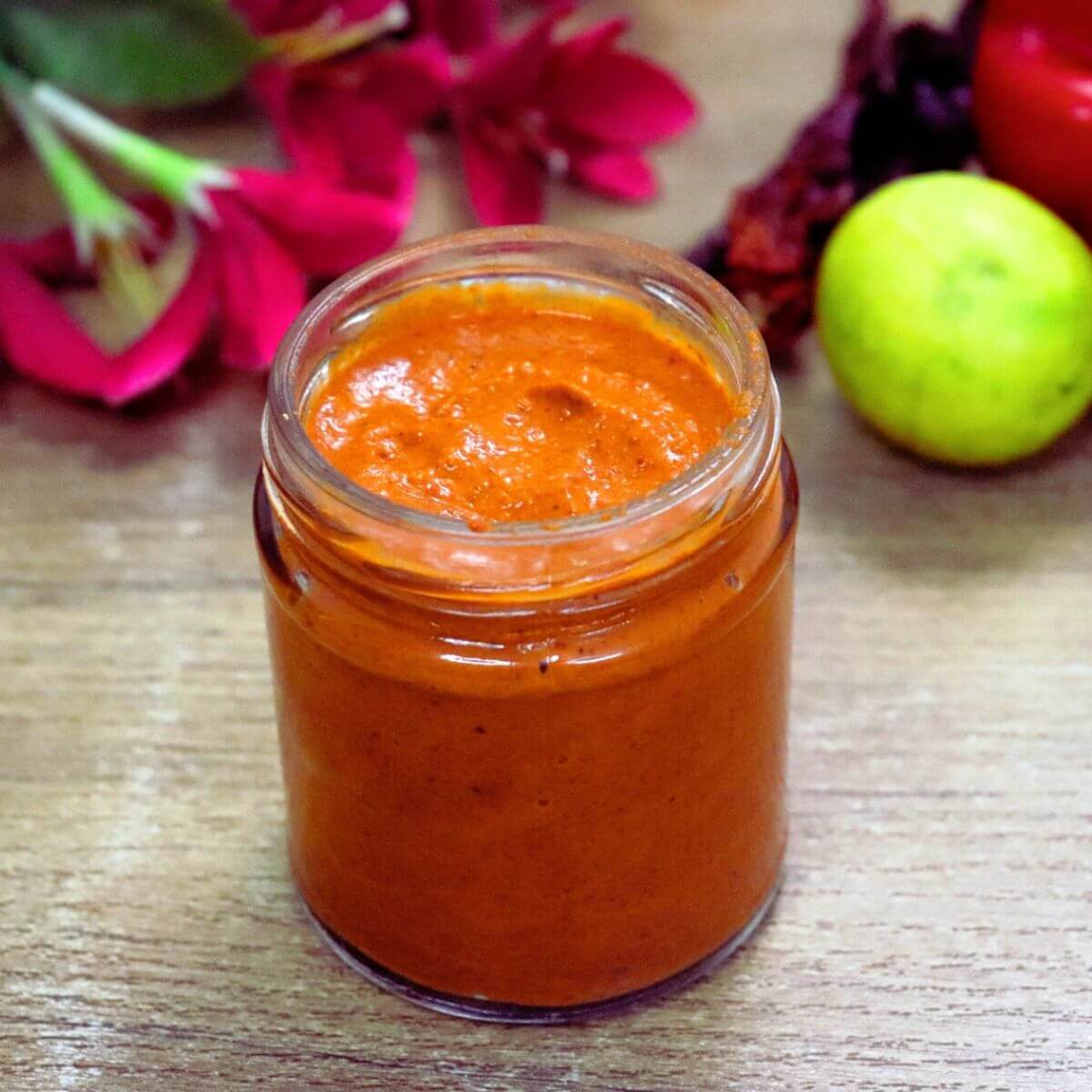
Master Harissa: Customize Your Spicy North African Condiment
Step into the vibrant culinary world of North Africa and discover harissa, a fiery, aromatic chili paste that promises to transform your cooking. Often described as the "ketchup" or "sriracha" of Tunisia, this versatile condiment is a heat-lover's dream, offering a complex symphony of smoky, spicy, and tangy flavors. While store-bought versions are readily available, there's unparalleled satisfaction and superior taste in learning how to make harissa sauce from scratch. This guide will empower you to create your perfect harissa paste, tailored precisely to your palate, and ready to elevate countless dishes.
What Exactly is Harissa? Unveiling North Africa's Fiery Secret
At its heart, harissa is a hot chili pepper paste originating from Tunisia, a jewel of North Africa. More than just heat, it's a sophisticated blend of roasted red peppers, various chili peppers, garlic, olive oil, and a signature mix of warm spices. However, to truly understand harissa is to embrace its fluidity. Unlike many rigid recipes, harissa is a living tradition, evolving from one household to another, from one region to the next.
While a foundational harissa paste typically includes red bell peppers (or baklouti peppers in its purest form), fiery chilies, garlic, olive oil, and ground caraway, cumin, and coriander seeds, the variations are endless. Some recipes introduce a bright zest with lemon juice or preserved lemon. Others delve into more exotic territories, incorporating rose petals or rose water for a subtle floral perfume, or even fermented onions for a unique depth of flavor. This inherent adaptability is precisely why mastering how to make harissa sauce at home is so rewarding—you're not just cooking; you're participating in a dynamic culinary art form.
Why DIY? The Unbeatable Benefits of Homemade Harissa Paste
You might wonder, with so many options lining grocery store shelves, why bother to make harissa from scratch? The answer lies in several compelling advantages:
- Unparalleled Freshness & Flavor: Homemade harissa explodes with vibrant, fresh flavors that simply cannot be replicated by mass-produced versions. You control the quality of every ingredient, ensuring peak taste and potency.
- Complete Customization: This is where the "Master Harissa" truly comes alive. When you how to make harissa sauce yourself, you dictate every nuance: the exact spice level, the depth of smokiness, the tanginess, and even a hint of sweetness.
- No Unwanted Additives: Store-bought condiments often contain preservatives, artificial colors, or excessive sodium. Your homemade harissa is pure, clean, and made with ingredients you trust.
- Cost-Effectiveness: While initial ingredient sourcing might seem like an investment, a batch of homemade harissa paste is often more economical in the long run, especially considering its superior quality.
- Deep Culinary Satisfaction: There's a profound sense of accomplishment in crafting your own staple condiments. Harissa joins the ranks of homemade mayonnaise, ketchup, and garlic sauce (toum) as an essential, versatile element in a well-stocked kitchen.
Essential Ingredients for Your Harissa Masterpiece
Creating your perfect harissa paste begins with selecting the right building blocks. Each component plays a crucial role in developing the complex flavor profile that makes harissa so irresistible.
The Pepper Powerhouse: Building Body and Heat
- Red Peppers: These form the body and foundational sweetness of your harissa. Opt for fresh red bell peppers or another mild red pepper like a long red pepper. Roasting them beforehand adds a smoky depth and natural sweetness. Alternatively, jarred roasted red peppers offer a convenient shortcut and an instant boost of smoky flavor.
- Chili Peppers: This is where you control the heat!
- For Milder Harissa: Consider using fresh, less fiery red chilies or opting for dried New Mexico or Guajillo chilies, which offer a warm, earthy spice without overwhelming heat.
- For Medium to Hot Harissa: Fresh red chilies (like Fresno or even a few bird's eye chilies if you dare!) or dried Arbol chilies will provide a noticeable kick.
- For Smoky & Spicy Harissa: Dried Chipotle chilies are an excellent choice, infusing your paste with both significant heat and a distinctive smoky undertone.
Aromatic Foundation: Depth and Complexity
- Garlic: An absolute must-have. Roasted garlic cloves add a mellow sweetness and deep, savory aroma that is integral to harissa.
- Onion: While optional in some recipes, a small amount of onion (or shallots) provides an additional layer of sweetness and aromatic complexity.
Spice Symphony: The Soul of Harissa
These three ground seeds are the traditional backbone of harissa's spice blend. For the most aromatic results, purchase them whole and toast them gently in a dry pan before grinding.
- Caraway Seeds: Offer a slightly sweet, anise-like, and peppery note.
- Cumin Seeds: Provide a warm, earthy, and slightly smoky flavor.
- Coriander Seeds: Impart a bright, citrusy, and floral undertone.
- Salt: Essential for balancing and enhancing all the flavors.
The Liquid Gold & Umami Boost: Texture and Richness
- High-Quality Olive Oil: Not just a binder, olive oil emulsifies the ingredients into a smooth paste and carries the flavors beautifully. Opt for a good extra virgin olive oil for the best taste.
- Tomato Paste (or Sun-Dried Tomatoes): This ingredient is a game-changer. It cuts through the spice, adds a fantastic depth of umami, and contributes to the paste's rich color and consistency. If you have homemade tomato paste, even better! Sun-dried tomatoes can also be used for a similar effect, often with an added concentrated sweetness.
Tailor Your Harissa: Customization Tips and Exciting Variations
The beauty of learning how to make harissa sauce is the freedom to make it uniquely yours. Here’s how you can play with flavors and textures:
Adjusting the Heat Level
- Chili Selection: As mentioned, this is your primary control. Start with milder varieties and gradually introduce hotter ones in subsequent batches until you find your perfect balance.
- Seed Removal: For fresh chilies, remember that most of the capsaicin (the heat compound) resides in the seeds and white pith. Remove more for less heat, leave some for a spicier kick.
- Adding Mild Peppers: Increase the proportion of mild red bell peppers to chili peppers to dilute the heat without sacrificing flavor.
Flavor Enhancers and Unique Twists
- Citrus Zest: A splash of fresh lemon juice or a hint of preserved lemon adds a bright, tangy counterpoint that cuts through the richness and spice. A dash of apple cider vinegar can also offer a similar acidic lift.
- Floral Notes: For a truly traditional (and luxurious) touch, stir in a tiny amount of rose water or a few dried rose petals. This adds a delicate, aromatic dimension.
- Smoked Paprika: If you're not using smoky chilies like Chipotle, a teaspoon of smoked paprika can contribute a lovely campfire aroma.
- Herbs: While not strictly traditional, fresh mint or cilantro blended into the harissa can add a fresh, herbaceous note, especially if you plan to use it as a dip.
- Sweetness: A touch of honey or dates can balance the heat and acidity, adding another layer of complexity.
Texture Play: Smooth Paste vs. Chunky Sauce
The method you choose for preparing your peppers will impact the final texture:
- Fresh Peppers: Using fresh, roasted red peppers and chilies, as suggested in many recipes (like the one we're building upon), typically yields a thick, creamy, and wonderfully emulsified paste when blended with olive oil.
- Dried Chilies: Traditional harissa often relies primarily on rehydrated dried chilies. This can result in a slightly grittier, more rustic texture, though still incredibly flavorful. Experiment to see which consistency you prefer.
For a detailed guide on the step-by-step process of preparing your ingredients and blending your masterpiece, explore our comprehensive articles: How to Make Harissa Sauce: Your Ultimate Smoky, Spicy Condiment and Homemade Harissa Paste: Easy Recipe for Weeks of Flavor. You'll find practical advice on roasting, blending, and storing your homemade creation, ensuring weeks of deliciousness.
Beyond a Condiment: Creative Uses for Your Harissa
Once you've mastered your personalized harissa paste, the culinary possibilities are endless. This isn't just a sauce; it's a flavor enhancer for virtually any dish:
- Marinade Powerhouse: Rub it onto chicken, lamb, fish, or even tofu before grilling, roasting, or pan-frying. The deep flavors will infuse your proteins beautifully.
- Stews and Soups: Stir a spoonful into lentil soup, a hearty tagine, or a vegetable stew for an instant boost of warmth and complexity.
- Roasted Vegetables: Toss potatoes, carrots, cauliflower, or Brussels sprouts with harissa and olive oil before roasting for a vibrant side dish.
- Dips and Spreads: Mix harissa with Greek yogurt, sour cream, or homemade mayonnaise for a spicy dip perfect with crudités, pita bread, or as a sandwich spread.
- Flavoring Grains: Stir a dollop into couscous, quinoa, or rice for a flavorful side dish.
- Eggs and Breakfast: A surprising but delicious addition to scrambled eggs, shakshuka, or even spread on toast with avocado.
Conclusion
Embarking on the journey to how to make harissa sauce at home is a rewarding culinary adventure. From its North African roots as a simple chili paste, harissa has evolved into a customizable condiment that truly allows you to express your individual taste. By understanding its core ingredients and embracing the freedom to experiment with heat, aromatics, and unique flavor twists, you'll create a harissa paste that is not only fresher and more flavorful than anything store-bought but also perfectly attuned to your preferences. So, gather your ingredients, ignite your passion for flavor, and get ready to master this spicy, smoky, and utterly delicious North African staple that promises to become a must-have in your kitchen.
