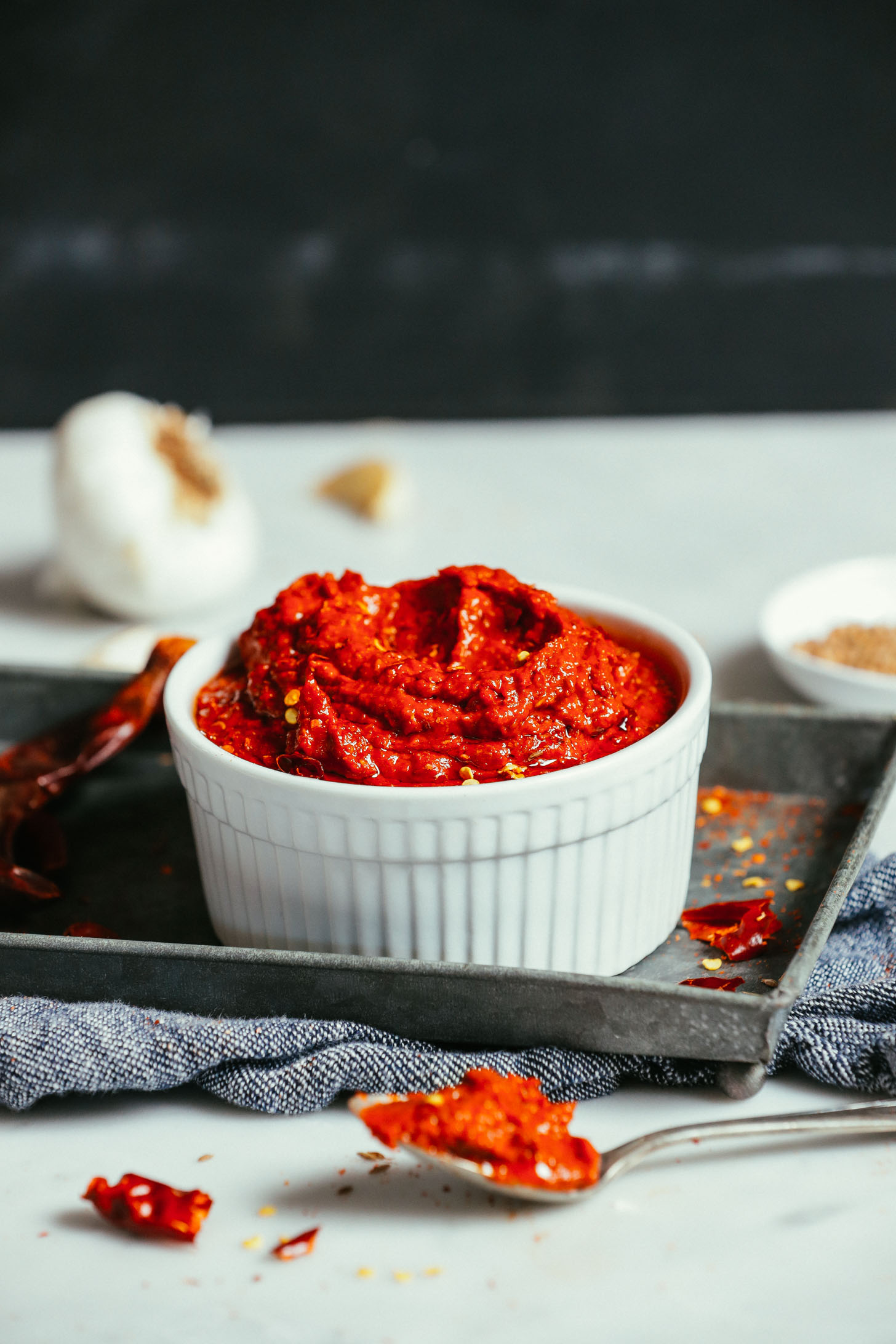
Homemade Harissa Paste: Easy Recipe for Weeks of Flavor
For anyone who loves to infuse their cooking with vibrant heat, complex spices, and a touch of the exotic, mastering the art of homemade harissa paste is a culinary revelation. This smoky, spicy, and incredibly versatile chili condiment, deeply rooted in North African cuisine, offers an unparalleled depth of flavor that store-bought versions often can't match. Imagine a thick, creamy paste, perfectly balanced between fiery chilies, sweet roasted peppers, and aromatic spices, ready to elevate everything from a simple breakfast egg to an elaborate dinner roast.
Making your own harissa paste from scratch might sound intimidating, but it's surprisingly straightforward. The beauty of a homemade rendition lies in its freshness, the ability to fine-tune its spice level to your exact preference, and its remarkable shelf life, offering weeks of deliciousness right from your fridge. Forget bland meals; with this guide on how to make harissa sauce, you're about to unlock a world of intense, aromatic flavor that will quickly become a must-have in your kitchen.
What Exactly Is Harissa Paste? Unpacking This North African Gem
At its heart, harissa is a hot chili pepper paste originating from Tunisia, a cornerstone of North African gastronomy. It's more than just a spicy kick; it's a symphony of flavors and textures. Traditionally, harissa combines roasted red peppers with specific baklouti peppers, olive oil, and a selection of fragrant spices and aromatics. However, like many cherished traditional recipes passed down through generations, the composition of harissa varies widely—often differing from one household to another across the region.
You might encounter versions that incorporate zesty lemon juice, intriguing fermented onions, or even delicate rose petals or rose water, each adding a unique dimension to the paste. The intensity of the heat, too, is a customizable element, entirely dependent on the types and quantities of chili peppers used.
In its native lands, harissa is often described as the "ketchup" or "sriracha" of North Africa, a testament to its ubiquitous presence and diverse applications. It’s not just for heat-lovers; it's a flavor enhancer used across a broad spectrum of dishes. You'll find it complementing robust meat and fish preparations, enriching hearty stews like Lebanese Green Beans (Loubieh Bi Zeit), brightening roasted vegetables, and lending a warm depth to grains, soups, and even dips. While traditional methods often rely on dried chilies, this particular approach embraces fresh peppers, yielding a wonderfully thick and creamy harissa paste that's just as versatile and flavorful.
Why Homemade Harissa is a Game-Changer
While bottled harissa paste is readily available in many stores, opting to make it yourself offers a myriad of advantages that elevate your culinary experience:
*
Unmatched Freshness and Flavor: Store-bought options, while convenient, often contain preservatives or stabilizers that can dull the vibrant notes of fresh chilies and toasted spices. Homemade harissa bursts with the lively flavors of its ingredients, offering a depth that is simply incomparable.
*
Complete Customization: This is arguably the biggest selling point. You are in total control. Want it fiery hot? Add more potent chilies. Prefer a subtle smokiness? Incorporate smoked paprika or chipotle. Craving a hint of sweetness? A roasted red bell pepper or a touch of tomato paste will do the trick. You can adjust the spice level, smokiness, tang, and even the sweetness to perfectly match your palate. If you're eager to truly
Master Harissa: Customize Your Spicy North African Condiment, understanding these core ingredients is your first step.
*
Ingredient Control: When you make harissa at home, you know exactly what goes into it. You can choose high-quality olive oil, organic produce, and avoid any unwanted additives, artificial colors, or excessive sodium often found in commercial products.
*
Cost-Effectiveness: Specialty condiments can be pricey. Making harissa paste at home, especially in larger batches, is often significantly more economical than repeatedly purchasing small jars from the store.
*
Always on Hand: Once you have a batch ready, it stores beautifully in the fridge or freezer. This means you always have a potent, flavorful condiment at your fingertips, ready to transform any meal without a last-minute dash to the grocery store. Just like homemade mayonnaise or garlic sauce (Toum), homemade harissa paste quickly becomes an indispensable condiment in your kitchen arsenal.
Essential Ingredients for Your Homemade Harissa Paste
Creating an exceptional harissa paste starts with selecting the right ingredients. Here’s a breakdown of the core components and why they matter:
*
Red Bell Peppers: These form the sweet, fleshy base of our harissa, adding body and a lovely sweetness that balances the chili heat. You can use large red bell peppers or other mild red peppers. For an extra layer of smoky flavor, consider using jarred roasted red peppers, which also contribute a subtle sweetness.
*
Chili Peppers: This is where the heat profile of your harissa paste is defined. For a thick and creamy consistency, we're primarily using fresh red chilies in this recipe. Options include:
*
Milder varieties: New Mexico or Guajillo chilies offer a more restrained heat.
*
Hotter varieties: Arbol or Bird's Eye chilies will deliver a significant kick.
*
Smoky varieties: Chipotle chilies (smoked and dried jalapeños) are excellent for adding a robust smoky note alongside their heat. Remember to handle fresh chilies with gloves to avoid irritation.
*
Tomato Paste: A small amount of concentrated tomato paste is a secret weapon. It cuts through the spice, adds a depth of umami, and contributes to the rich, red color. Homemade tomato paste is ideal, but good quality store-bought paste works wonders. Sun-dried tomatoes can also be a fantastic alternative, adding even more intense flavor.
*
Olive Oil: Use a high-quality extra virgin olive oil. It not only helps to emulsify the paste, giving it that creamy texture, but also carries the flavors of the spices and peppers beautifully. A good olive oil significantly impacts the overall taste.
*
Aromatics:
*
Garlic: Essential for its pungent, savory depth. Use several cloves, roasted or sautéed, for a mellow yet potent flavor.
*
Onion: While optional, a small onion (sautéed until translucent) adds another layer of sweetness and complexity, rounding out the flavor profile.
*
Spices: The soul of harissa lies in its unique spice blend.
*
Caraway Seeds: Provide a distinctive warm, slightly anise-like flavor.
*
Cumin Seeds: Earthy and robust.
*
Coriander Seeds: Citrusy and floral.
*
Salt: Crucial for enhancing all the other flavors.
Always use whole seeds if possible, as toasting and grinding them fresh just before use unlocks their maximum aromatic potential.
Mastering the Harissa-Making Process (A Step-by-Step Guide)
Making harissa is more about assembly and blending than complex cooking techniques. Here’s a general outline of the process:
1.
Prep the Peppers and Aromatics: Start by roasting your red bell peppers and any mild red chilies. Roasting them until soft and slightly charred brings out their natural sweetness and a subtle smokiness. If using, sauté your chopped onion and garlic until soft and fragrant. For extra depth, you can lightly roast the garlic cloves whole with the bell peppers.
2.
Toast the Spices: In a dry pan over medium heat, gently toast your caraway, cumin, and coriander seeds. This crucial step awakens their essential oils, intensifying their aroma and flavor. Toast them just until fragrant, about 1-2 minutes, being careful not to burn them. Allow them to cool slightly, then grind them into a fine powder using a spice grinder or mortar and pestle.
3.
Combine and Blend: Once your roasted peppers and aromatics have cooled slightly, roughly chop them. Carefully deseed your fresh hot chilies (wearing gloves is highly recommended!) and add them, along with the roasted peppers, sautéed onion and garlic, toasted ground spices, tomato paste, and a generous splash of olive oil, to a food processor or high-speed blender.
4.
Achieve Desired Consistency: Begin blending, adding more olive oil gradually until you reach your desired consistency. For a thick paste, use less oil. For a smoother, more sauce-like harissa, add more. You want it to be creamy and well-combined, without large chunks.
5.
Taste and Adjust: This is a critical step for customization. Taste your harissa. Does it need more salt? More heat (add a pinch of cayenne or a few more chili seeds)? More tang (a squeeze of lemon juice)? Adjust as needed until it perfectly satisfies your palate.
Optional Add-ins and Exciting Variations
Once you have the basic harissa recipe down, feel free to experiment with these additions to truly make it your own:
*
Lemon Juice or Preserved Lemon: A splash of fresh lemon juice brightens the paste, adding a tangy zest. For a more complex, savory tang, a small amount of finely chopped preserved lemon rind is a fantastic addition. Apple cider vinegar can also provide a similar acidic note.
*
Other Spices: While caraway, cumin, and coriander are traditional, don’t hesitate to explore. A touch of smoked paprika can enhance smokiness, a tiny pinch of cinnamon or cloves can add a subtle warmth, and a dash of cayenne pepper will certainly turn up the heat.
*
Rose Water or Petals: For an authentic, subtle floral aroma often found in Moroccan or some Tunisian versions, a few drops of food-grade rose water or a sprinkle of dried rose petals can be delightful.
*
Sweeteners: A teaspoon of honey, maple syrup, or a pitted Medjool date can balance the heat and acidity, adding a lovely depth to the paste, especially if your peppers weren't particularly sweet.
*
Nuts: While less traditional, some recipes might incorporate a small handful of toasted almonds or walnuts for added texture and richness.
For even more detailed guidance on different preparation methods and how to achieve the perfect balance of heat and flavor, explore our article:
How to Make Harissa Sauce: Your Ultimate Smoky, Spicy Condiment.
Storing Your Homemade Harissa
Once your harissa paste is perfected, proper storage ensures its longevity:
*
In the Fridge: Transfer your homemade harissa to a clean, airtight jar. Pour a thin layer of olive oil over the top before sealing. This creates a barrier that prevents oxidation and spoilage. Stored this way, your harissa will remain fresh and flavorful for 3-4 weeks.
*
In the Freezer: For longer storage, freeze portions of harissa. An ice cube tray works perfectly for single-serving portions. Once frozen, transfer the cubes to a freezer-safe bag or container. Harissa can be frozen for up to 3-4 months, ready to be thawed and used whenever inspiration strikes.
How to Enjoy Your Homemade Harissa
The versatility of harissa paste is truly astonishing. Here are just a few ideas to get you started:
*
Marinade or Rub: Slather it on chicken, lamb, fish, or firm tofu before grilling, roasting, or pan-frying.
*
Stir into Stews & Soups: A spoonful can transform a simple lentil soup, chili, or tagine into a rich, complex dish.
*
Dips & Spreads: Whisk it into plain yogurt, mayonnaise, or hummus for a spicy, creamy dip or sandwich spread.
*
Vegetable Enhancer: Toss roasted vegetables with harissa for an extra kick, or dollop it onto grilled corn.
*
Eggs: Swirl a little into scrambled eggs, omelets, or serve alongside a fried egg.
*
Grains: Stir it into couscous, rice, or quinoa for a flavorful side dish.
*
Sandwiches & Wraps: Use it as a vibrant, spicy spread instead of mustard or mayo.
In conclusion, learning how to make harissa sauce from scratch is an immensely rewarding culinary endeavor. It’s an opportunity to create a condiment that is not only bursting with fresh flavors but also perfectly tailored to your personal taste. With a simple recipe and a few quality ingredients, you can effortlessly prepare a batch of this versatile harissa paste that will infuse weeks of bold, smoky, and spicy flavor into countless meals. So, gather your chilies and spices, and get ready to bring the vibrant tastes of North Africa directly into your kitchen!