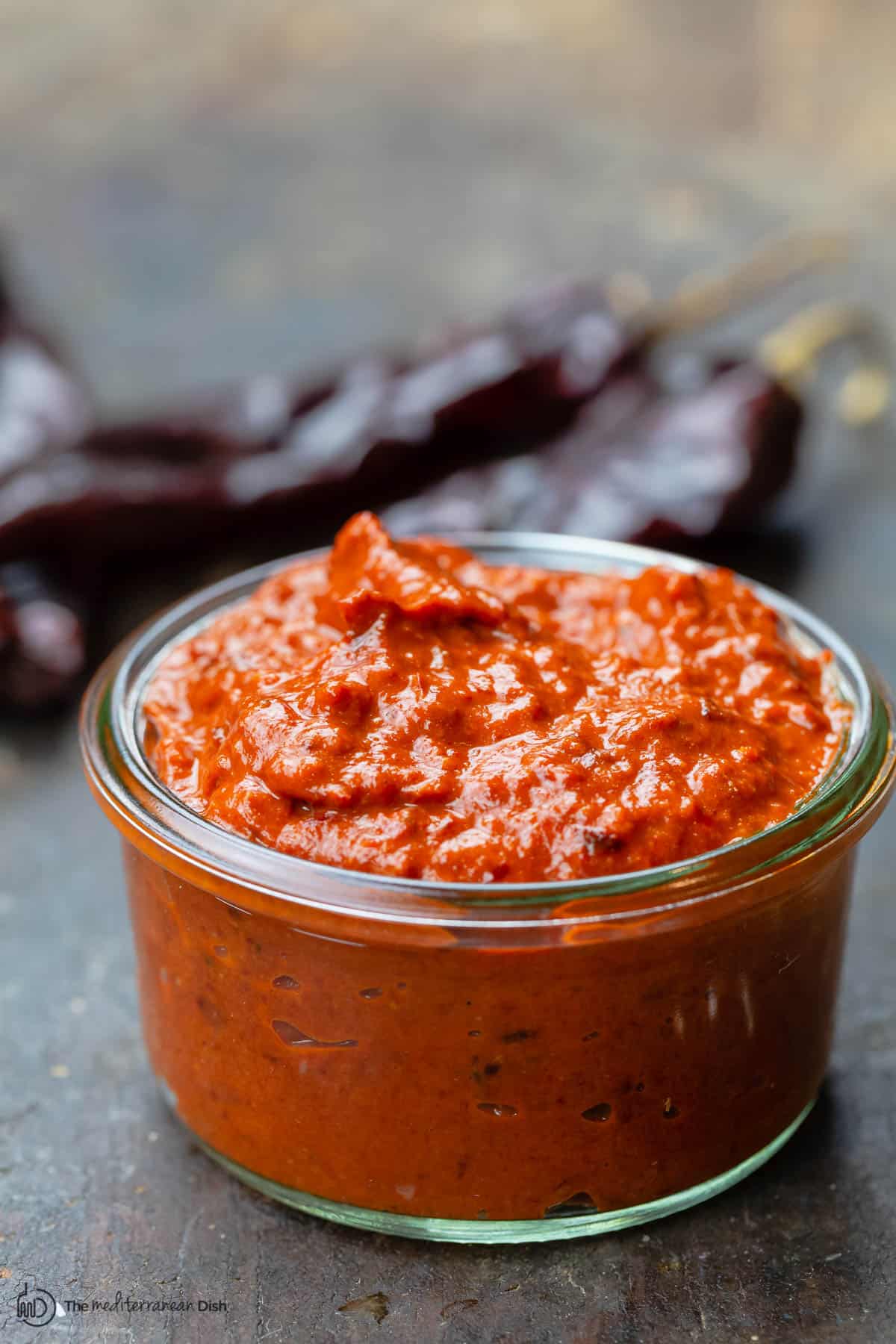
Unlock a world of vibrant flavor and customizable heat by learning how to make harissa sauce right in your own kitchen. This ultimate guide will walk you through crafting a smoky, spicy, and incredibly versatile harissa paste that will elevate countless dishes. While store-bought options exist, homemade harissa offers unparalleled freshness, the ability to perfectly tailor spice levels, and a rich, authentic taste that simply can't be matched. Prepare to transform your culinary repertoire with this North African staple.
What Exactly Is Harissa Sauce/Paste?
Harissa is much more than just a spicy condiment; it's a foundational element of North African cuisine, particularly in Tunisia, where it originated. Traditionally, harissa is a hot chili pepper paste made from roasted red peppers, often Baklouti peppers, combined with a symphony of spices, aromatic ingredients, and high-quality olive oil. It’s frequently described as the "ketchup" or "sriracha" of the Middle East and North Africa due to its widespread use and beloved status.
However, like many cherished traditional recipes, harissa is far from monolithic. Its composition can vary dramatically from one household to another, showcasing the rich culinary diversity of the region. Some renditions might incorporate lemon juice for a tangy brightness, fermented onions for a deeper umami, or even delicate rose petals or rose water for an unexpected floral note. The heat level is also highly adaptable, depending entirely on the type and quantity of chili peppers employed. Whether you prefer a gentle warmth or an intense fiery kick, Master Harissa: Customize Your Spicy North African Condiment by adjusting your chosen peppers and spices.
The resulting paste is incredibly versatile. It serves as a fantastic marinade for various meats and fish, enriches the flavor of hearty stews like Lebanese Green Beans (Loubieh Bi Zeit), and adds a kick to roasted vegetables, grains, and soups. Its rich, complex flavor profile makes it a must-have for anyone looking to explore the depth of North African gastronomy.
Why Opt for Homemade Harissa Over Store-Bought?
While convenience certainly has its place, making your own harissa sauce is a truly rewarding experience with numerous benefits that far outweigh the effort:
- Unmatched Freshness and Flavor: Homemade harissa explodes with vibrant, fresh flavors that processed, store-bought versions simply can't replicate. You control the quality of every ingredient, from the peppers to the olive oil, ensuring a superior taste.
- Customizable Spice Level: Are you a mild-mannered heat enthusiast or a true chili connoisseur? With homemade harissa, you dictate the spice. Choose milder peppers, remove seeds, or add more heat with fiery varieties like Arbol or Chipotle.
- Tailored Flavor Profile: Beyond just heat, you can adjust the smokiness, sweetness, tanginess, and even the aromatic complexity. Want more cumin? Less caraway? A hint of rose? The power is yours.
- Healthier Choice: By making it yourself, you avoid unwanted additives, preservatives, or excessive sodium often found in commercial products.
- Cost-Effective: While the initial purchase of a few whole spices might seem like an investment, homemade harissa often proves to be more economical in the long run, especially considering the higher cost of premium store-bought versions.
- Sense of Culinary Accomplishment: There's immense satisfaction in creating such a fundamental and flavorful condiment from scratch. It connects you more deeply to the food you eat and the cultures that inspire it.
Key Ingredients for Your Ultimate Harissa Paste
Crafting exceptional harissa begins with selecting the right components. Here's a breakdown of the essential ingredients, along with some insightful tips:
The Pepper Powerhouse
- Red Bell Pepper or Mild Red Peppers: These form the creamy body and add natural sweetness and a beautiful red hue. Using roasted bell peppers, either fresh ones you char yourself or high-quality jarred varieties, will lend a lovely smoky depth.
- Chili Peppers: This is where the heat comes in. You can use either fresh or dried chilies, each offering a slightly different texture and flavor profile.
- Fresh Red Chilies: For a thick, creamy consistency and brighter flavor, fresh red chilies are excellent. Adjust the quantity to control heat.
- Dried Chilies: For a more traditional, concentrated flavor, dried chilies like New Mexico, Guajillo (mild to medium), or Arbol and Chipotle (spicier, smokier) are ideal. Remember to rehydrate them first.
Aromatics & Umami Builders
- Garlic & Onion: These classic aromatics are crucial for building a complex flavor base. While onion is sometimes optional, its gentle sweetness and pungency truly enhance the paste. Roasting them lightly before blending can deepen their flavor.
- Tomato Paste (or Sun-Dried Tomatoes): This ingredient is a game-changer for adding incredible depth, a rich umami punch, and a subtle sweetness that balances the spice. High-quality homemade tomato paste is fantastic, but good store-bought paste or rehydrated sun-dried tomatoes work beautifully.
Essential Spices & Oil
- Whole Spices: Caraway, cumin, and coriander seeds are the holy trinity of harissa spices. Tip: Lightly toasting these whole spices in a dry pan until fragrant before grinding them yourself will unlock their full aromatic potential, making a significant difference in the final taste profile.
- Salt: Essential for enhancing all other flavors. Adjust to taste.
- High-Quality Olive Oil: Extra virgin olive oil is not just a binder; it contributes a fruity, peppery note and helps achieve that luxurious, emulsified texture. Don't skimp on quality here.
Optional Enhancements for Customization
- Lemon Juice or Preserved Lemon: A splash of fresh lemon juice brightens the paste with acidity, while preserved lemon offers a more complex, fermented tang. A touch of vinegar (like apple cider vinegar) can also provide a similar lift.
- Smoked Paprika: For an extra layer of smokiness, especially if you're not using roasted peppers.
- Rose Water or Rose Petals: For an incredibly fragrant and unique twist, popular in some regional variations. Use sparingly, as a little goes a long way.
Step-by-Step Guide: How to Make Harissa Sauce
Making your own harissa is simpler than you might think. Follow these steps to create a rich, flavorful paste:
- Prepare Your Peppers:
- For Fresh Peppers: Wash and dry your red bell peppers and fresh chilies. Cut them in half, remove seeds (especially from hotter chilies if you prefer less heat), and stem. You can roast them in the oven (around 400°F/200°C) until softened and slightly charred, or char them directly over a gas flame for maximum smoky flavor. Once cooled, peel the skin if desired, though it's not strictly necessary for a creamy paste.
- For Dried Chilies: Gently toast dried chilies in a dry pan for 1-2 minutes until fragrant. Then, rehydrate them by soaking them in hot water for about 20-30 minutes until soft. Drain well.
- Toast the Spices: In a dry skillet over medium heat, lightly toast your whole caraway, cumin, and coriander seeds until they become fragrant, usually about 1-2 minutes. Be careful not to burn them. Allow to cool slightly, then grind them in a spice grinder or with a mortar and pestle until fine.
- Sauté Aromatics (Optional but Recommended): If using fresh onion and garlic, you can lightly sauté them in a little olive oil until softened and fragrant before blending. This mellows their raw edge and deepens their flavor.
- Blend Everything Together: Combine the prepared peppers, toasted and ground spices, garlic, onion (if using), tomato paste, and a good pinch of salt in a food processor or high-speed blender. Begin to process, gradually drizzling in the high-quality olive oil until the mixture forms a thick, creamy, and relatively smooth paste. You can adjust the amount of olive oil to achieve your desired consistency – some prefer a thicker paste, others a slightly looser sauce.
- Taste and Adjust: This is a crucial step! Taste your harissa and adjust seasonings as needed. Add more salt, a squeeze of lemon juice for brightness, or a pinch more of any spice if you feel it's lacking. If it's not spicy enough, you can add a small amount of chili powder or a finely chopped hot chili.
- Store Your Harissa: Transfer the harissa paste to a clean, airtight jar. Pour a thin layer of olive oil over the surface of the paste to create a seal, which helps with preservation. This Homemade Harissa Paste: Easy Recipe for Weeks of Flavor will keep well in the refrigerator for up to 2-3 weeks. For longer storage, it can be frozen in small portions for several months.
Creative Ways to Use Your Homemade Harissa Paste
Once you've mastered how to make harissa sauce, you'll find endless ways to incorporate this versatile condiment into your cooking:
- Marinades: Rub it onto chicken, lamb, fish, or even firm tofu before grilling, roasting, or pan-frying.
- Sauces & Dips: Stir it into plain yogurt or mayonnaise for a creamy, spicy dip. Whisk it into vinaigrettes or mix with honey and lemon for a sweet and spicy dressing.
- Stews & Soups: Add a spoonful to lentil soup, chickpea stew, tagines, or even chili for an instant boost of flavor and heat.
- Spreads: Use it as a vibrant spread for sandwiches, wraps, or flatbreads.
- Roasted Vegetables: Toss vegetables like carrots, potatoes, cauliflower, or Brussels sprouts with harissa before roasting for a delicious char and spicy kick.
- Eggs & Grains: Swirl a dollop into scrambled eggs, serve alongside a fried egg, or mix into couscous or rice for an aromatic side dish.
Conclusion
Learning how to make harissa sauce from scratch is a culinary journey worth taking. This North African hot chili paste is not just a condiment; it's a dynamic flavor enhancer that brings smoky, spicy, and deeply aromatic notes to virtually any dish. By taking control of the ingredients and the process, you unlock an unparalleled level of freshness and customization, allowing you to tailor your harissa to your precise taste preferences. So, gather your ingredients, fire up your blender, and prepare to embark on a delicious adventure that will elevate your home cooking and impress your palate for weeks to come!
